
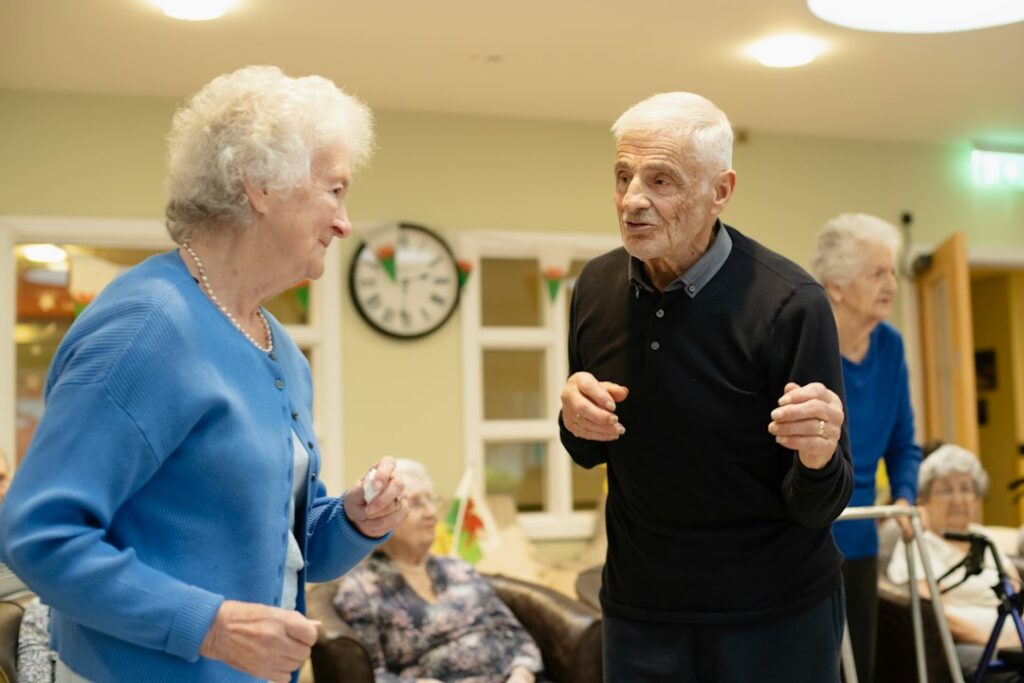
Integrative therapies can add comfort, movement, emotional support, and meaningful engagement to assisted living care. In Zelienople, PA, residents and families may encounter these approaches as part of activity programs, care planning, rehabilitation, behavioral health support, or supplemental services arranged through an assisted living residence.
These therapies are intended to work alongside medical care, personal assistance, and prescribed treatment. They should not replace evaluation for new pain, confusion, falls, breathing problems, medication effects, or other changes in health.
What are integrative therapies in assisted living?
Integrative therapies combine standard health care with carefully selected practices that support physical, emotional, social, cognitive, or spiritual well-being. The approach is individualized rather than based on a single treatment used for everyone.
Examples may include:
- Music-based activities, singing, and guided listening
- Gentle movement, stretching, seated exercise, tai chi, or adapted yoga
- Relaxation breathing, guided imagery, and mindfulness
- Massage or therapeutic touch when medically appropriate
- Art, crafts, gardening, and other creative activities
- Aromatic experiences, such as familiar scents, when allergies and sensitivities are considered
- Pet-assisted or animal-assisted activities under appropriate supervision
- Reminiscence, storytelling, prayer, or other resident-directed spiritual practices
Some of these activities are recreational rather than clinical. Others may be delivered by licensed or specially trained professionals. The distinction matters because the goal, qualifications, documentation, and safety requirements can differ.
How can these therapies help older adults?
The possible benefits depend on the resident, the approach, and the consistency of participation. Integrative therapies may help support relaxation, social connection, enjoyment, confidence, sleep routines, movement, and coping with discomfort.
Music is often useful because it can connect with long-term memories even when communication or short-term recall has become difficult. Familiar songs may encourage participation, reduce isolation, or create an easier setting for conversation.
Gentle movement may help residents maintain flexibility, balance awareness, and confidence with everyday activity. It should be adapted for people who use walkers, wheelchairs, oxygen, or other mobility equipment. Exercises performed while seated may be more appropriate than standing activities for some residents.
Relaxation practices can offer a structured way to manage tension or restlessness. Short sessions may be easier to tolerate than extended meditation. A quiet breathing exercise, calming music, or guided imagery may be appropriate for one resident, while another may find silence uncomfortable or confusing.
Creative activities can support self-expression without requiring strong memory, hearing, or verbal communication. Painting, folding, arranging flowers, familiar household tasks, and seasonal crafts can all provide a sense of purpose.
These approaches are generally supportive rather than curative. They may improve comfort or participation without treating the underlying cause of a medical condition.
Which therapies may be appropriate for residents with dementia?
Residents with dementia may benefit from simple, familiar, sensory-based activities that do not depend on complex instructions. Music, hand massage, folding towels, looking through family photographs, gardening tasks, and short reminiscence conversations may be easier to follow than unfamiliar group exercises.
The activity should match the resident’s current abilities and preferences. A person who once enjoyed dancing may respond well to rhythm and seated movement. Someone who dislikes crowds may do better with one-to-one music or a quiet creative activity.
Staff and family members should watch for signs of overstimulation, including pacing, withdrawal, grimacing, agitation, sudden fatigue, or repeated attempts to leave. A therapy is not helpful simply because it is considered calming in general. The resident’s response is the most useful guide.
Are integrative therapies safe for older adults?
They can be safe when properly selected and adapted, but “natural” or gentle does not automatically mean risk-free. Medical conditions, medications, fragile skin, osteoporosis, balance problems, blood-thinning medication, sensory loss, and recent surgery may affect what is appropriate.
Before a resident begins a new therapy, the care team should consider:
- The resident’s diagnoses, allergies, skin condition, and mobility
- Current medications and possible interactions
- Fall risk and the need for supervision
- Hearing, vision, communication, and cognitive abilities
- Personal preferences, cultural background, and past experiences
- Whether the activity could cause pain, fatigue, anxiety, or overstimulation
Massage may need to be modified or avoided in certain circumstances. Movement programs should not involve unsafe twisting, rapid position changes, or unsupported standing. Supplements and herbal products deserve particular caution because they may interact with medications and are not automatically safer than prescribed treatments.
Residents should tell a nurse, physician, therapist, or other appropriate health care professional about complementary practices being used. New or worsening symptoms should not be attributed to aging or treated only with an integrative activity.
How are these therapies included in assisted living care?
In Pennsylvania, assisted living residences are expected to provide daily social and recreational activities and to arrange certain supplemental health care services when needed. The exact offerings vary by residence and by a resident’s assessment, support plan, staffing, and clinical needs.

An activity such as group music, chair stretching, or art may be part of the regular activities calendar. Physical therapy, occupational therapy, behavioral health services, or massage may be arranged separately and may require an individualized plan.
A useful care plan identifies what the resident is trying to accomplish. Examples include:
- Reduce anxiety during late afternoon
- Increase participation in meals or social activities
- Support safe movement after a period of inactivity
- Improve comfort during a chronic condition
- Encourage communication for a resident with limited speech
- Create a calming bedtime routine
Documentation should focus on the resident’s response rather than simply recording that an activity occurred. Notes may include whether the person participated, appeared comfortable, became tired, reported pain, or showed a change in mood.
What should families ask about an integrative therapy?
Families in Zelienople can ask practical questions during a care-planning discussion or residence visit:
- Is the activity recreational, therapeutic, or part of a licensed service?
- Who leads it, and what training or credentials are required?
- How are residents screened for safety?
- Can the activity be adapted for walkers, wheelchairs, hearing loss, or dementia?
- Is participation voluntary?
- What happens if a resident becomes uncomfortable or wants to stop?
- Are there extra fees, outside practitioners, or transportation requirements?
- How is the resident’s response communicated to family and the care team?
- Are supplies, scents, music volume, or animals reviewed for allergies and sensitivities?
A resident should be able to decline participation without pressure. Personal choice is especially important for activities involving touch, spirituality, music preferences, unfamiliar people, or physical movement.
What is a realistic expectation?
The most reasonable expectation is modest, measurable support. An integrative therapy may help a resident relax for an hour, take part in a social activity, move more comfortably, or reconnect with a familiar interest. It may not eliminate pain, reverse dementia, replace medication, or prevent every behavioral or medical problem.
The strongest approach is usually individualized, consistent, and coordinated with ordinary assisted living care. A familiar song, a short seated exercise, a quiet conversation, or a calming routine can be meaningful when it respects the resident’s health, preferences, and changing abilities.
